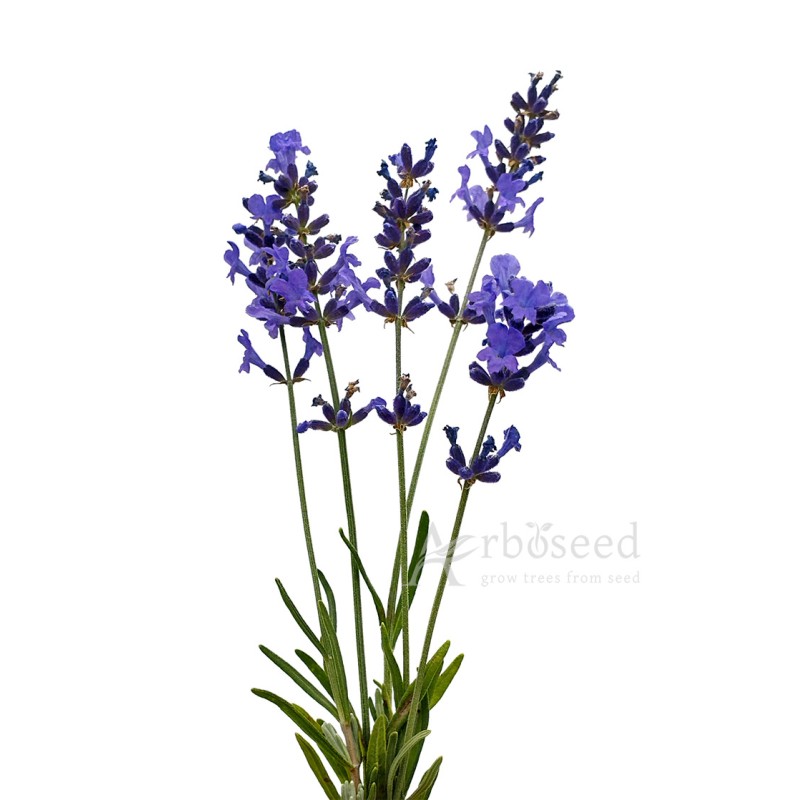
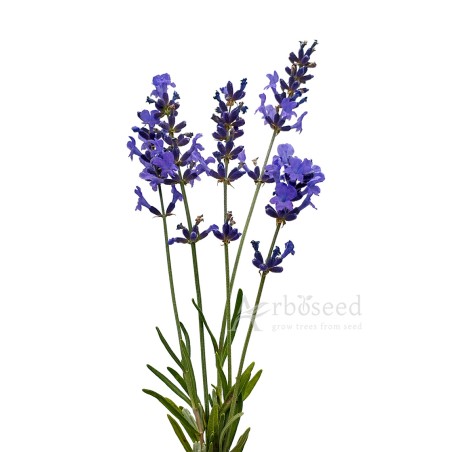

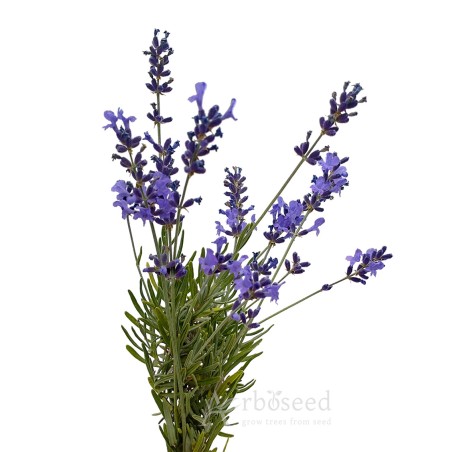
lavandula angustifolia, lavenda officinalis
lavandula angustifolia, lavenda officinalis
 Delivery
Usually 4 business days in EU by courier (DPD, GLS).
 Payment
PayPal or bank transfer
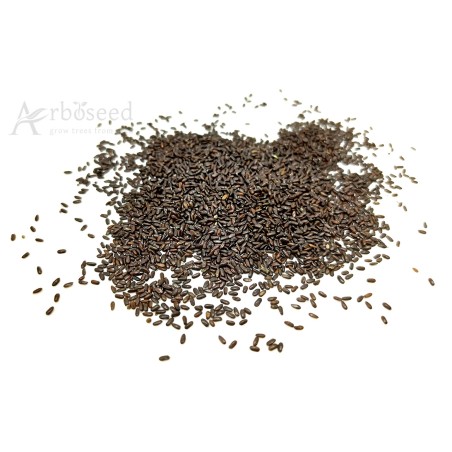
| 10 g | approx 5.000 seeds |
| 50 g | approx 25.000 seeds |
| 100 g | approx 50.000 seeds |
| 1.000 seeds | approx 2 g |
Lavender (botanical name: lavandula angustifolia, lavenda officinalis) - seeds
Data sheet
Species: Lavandula angustifolia
Synonym: Lavandula officinalis
Common names: English Lavender / Narrow-leaved Lavender
Seeds of Lavandula angustifolia are relatively easy to germinate. They do not require complicated treatment, although a short period of moist cold stratification can improve and synchronize germination, particularly with stored seeds.
Soaking is not essential.
If the seeds are very dry or have been stored for a longer period, they may optionally be soaked in room-temperature water for approximately 6–12 hours.
Drain the seeds thoroughly after soaking.
For more uniform germination, a short period of cold stratification can be used:
Mix the seeds with slightly moist vermiculite, perlite, or clean horticultural sand.
Place the mixture in a sealed plastic bag or container.
Keep it in a refrigerator at approximately 2–5°C (36–41°F).
Stratify for approximately 2–4 weeks.
Check the seeds regularly for moisture and mould.
The medium should be slightly moist, but never wet or waterlogged.
Do not freeze the seeds.
For fresh, properly stored Lavandula angustifolia seeds, stratification is not strictly necessary. The seeds can be sown directly into the growing medium.
However, a short period of cold stratification is recommended when more uniform germination is desired.
After stratification, sow the seeds in a light and very well-drained seed-starting medium.
Recommended sowing depth: approximately 0.2–0.5 cm (0.08–0.2 in).
Do not cover the seeds with a thick layer of substrate. They can also be sown on the surface and gently pressed into the growing medium.
After sowing, moisten the substrate gently, preferably using a fine spray.
| Parameter | Recommended conditions |
|---|---|
| Soaking | Not required; optionally 6–12 hours |
| Cold stratification | 2–4 weeks – recommended |
| Stratification temperature | 2–5°C (36–41°F) |
| Germination temperature | approximately 18–22°C (64–72°F) |
| Sowing depth | 0.2–0.5 cm (0.08–0.2 in) |
| Light | Bright location |
| Moisture | Keep the medium lightly and evenly moist |
| Ventilation | Good air circulation |
After sowing, provide plenty of light and moderate moisture.
Do not keep the growing medium constantly wet. Excessive moisture increases the risk of fungal diseases and seedling loss.
Under suitable conditions, the first seedlings may appear approximately 2–4 weeks after sowing.
Germination may be uneven, and some seeds may require additional time.
Do not discard ungerminated seeds after only a few weeks.
After emergence:
provide a very bright location;
gradually acclimatize the seedlings to direct sunlight;
water moderately;
provide good air circulation;
avoid overwatering;
do not allow young seedlings to remain completely dry for prolonged periods.
Lavender prefers a well-drained growing medium and does not tolerate prolonged excess moisture.
Once the seedlings have developed several true leaves and are well rooted, they can be carefully transplanted into individual pots.
Fertilization is not necessary immediately after emergence.
Approximately 4–6 weeks after emergence, once the seedlings are well established, begin light feeding with a balanced fertilizer at approximately ¼ of the manufacturer's recommended dosage.
Lavender seeds can also be sown outdoors in autumn, for example in containers or a protected seed bed.
Natural autumn and winter temperatures can provide the required period of cold exposure.
Germination may then begin in spring as temperatures rise.
When sowing outdoors, protect the containers from excessive moisture.
Sowing too deeply.
Covering the seeds with a thick layer of substrate.
Excessive watering.
Keeping the growing medium constantly wet.
Poor drainage.
Insufficient light after emergence.
Fertilizing too early.
Discarding seeds after only a few days or weeks without germination.
Lavandula angustifolia is relatively easy to grow from seed.
Cold stratification is not strictly necessary, especially for fresh seeds.
For more uniform germination, 2–4 weeks of moist cold stratification at 2–5°C (36–41°F) can be used.
The seeds should not be sown deeply.
The growing medium should be light, well drained and well aerated.
After sowing, provide approximately 18–22°C (64–72°F) and plenty of light.
Excessive moisture is one of the most common causes of poor germination and seedling loss.
Germination may be somewhat uneven.
1. Optionally soak the seeds for 6–12 hours in room-temperature water.
2. Place the seeds in slightly moist vermiculite, perlite, or clean horticultural sand.
3. Cold-stratify for 2–4 weeks at 2–5°C (36–41°F).
4. Sow the seeds very shallowly – approximately 0.2–0.5 cm (0.08–0.2 in) deep – or sow them on the surface and gently press them into the substrate.
5. Maintain approximately 18–22°C (64–72°F), provide a bright location and keep the growing medium moderately moist.
The first seedlings will usually appear within approximately 2–4 weeks after sowing.
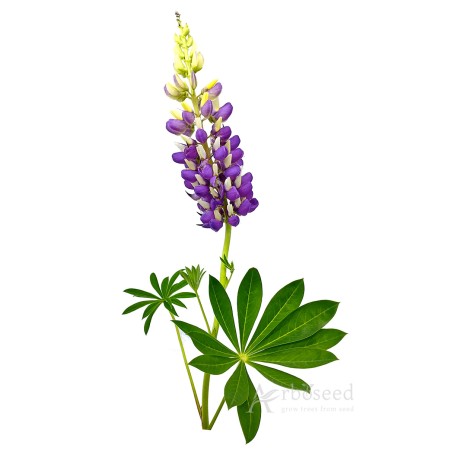 Lavender