- out-of-Stock

pinus nigra var. pyramidalis
pinus nigra var. pyramidalis
 Delivery
Usually 4 business days in EU by courier (DPD, GLS).
 Payment
PayPal or bank transfer
| 10 g | approx 417 seeds |
| 50 g | approx 2.083 seeds |
| 100 g | approx 4.167 seeds |
| 1.000 seeds | approx 24 g |
Black pine var. pyramidalis (botanical name: pinus nigra var. pyramidalis) - seeds
Data sheet
Species: Pinus nigra
Common name: Black Pine
Pinus nigra seeds generally do not require complicated preparation. However, a short moist cold stratification can improve and synchronize germination, particularly with stored seeds.
Before sowing, hydrate the seeds:
Place the seeds in a clean container.
Cover them with room-temperature water.
Soak for 12–24 hours.
Drain the seeds thoroughly after soaking.
Prolonged soaking is not necessary.
A short period of cold stratification can improve germination uniformity:
Mix the seeds with slightly moist vermiculite, perlite, or clean horticultural sand.
Place the seeds and medium in a sealed plastic bag or container.
Keep them in a refrigerator at approximately 2–5°C (36–41°F).
Stratify for approximately 2–4 weeks.
Check the seeds regularly for moisture and mould.
The medium should be moist but not wet or waterlogged.
Do not freeze the seeds.
Note: Fresh, properly stored seeds may also be sown without cold stratification after soaking.
After stratification, sow the seeds as soon as possible.
Prepare a light, well-drained and well-aerated seed-starting medium.
Sow the seeds approximately 0.5–1 cm (0.2–0.4 in) deep.
Cover gently with the growing medium.
Moisten moderately.
Place the container in a bright location.
A suitable medium can be a quality seed-starting mix, for example peat or coconut coir combined with perlite or sand.
Good drainage is essential.
| Parameter | Recommended conditions |
|---|---|
| Soaking | 12–24 hours |
| Cold stratification | 2–4 weeks |
| Stratification temperature | 2–5°C (36–41°F) |
| Germination temperature | approximately 18–22°C (64–72°F) |
| Sowing depth | 0.5–1 cm (0.2–0.4 in) |
| Light | Bright location |
| Moisture | Keep the medium consistently slightly moist |
| Ventilation | Good air circulation |
After sowing, maintain consistent moisture. Do not allow the growing medium to dry out completely, but avoid excessive watering and waterlogging.
Under suitable conditions, the first seedlings may appear approximately 1–4 weeks after sowing.
Germination may be uneven, so keep the seed tray under suitable conditions for several additional weeks before assuming that the remaining seeds will not germinate.
After emergence:
provide plenty of light;
maintain moderate and consistent moisture;
ensure good air circulation;
avoid overwatering;
protect very young seedlings from excessive heat and intense direct sunlight.
Black Pine seedlings initially develop a prominent primary root. Take care not to damage it during transplanting.
Transplant only when the seedlings are well established, and avoid unnecessary disturbance of the root system.
Fertilization is not necessary immediately after emergence.
Approximately 4–6 weeks after emergence, once the seedlings are well established, begin light fertilization using a balanced fertilizer at approximately 1/4 of the manufacturer's recommended dosage.
The seeds can also be sown outdoors in autumn, for example in containers or a protected seed bed.
Natural autumn and winter conditions will provide the required period of cold exposure. Germination can then begin naturally in spring as temperatures rise.
When sowing outdoors, protect the seeds from rodents and birds and prevent excessive moisture.
Soaking the seeds for too long.
Using an unnecessarily long stratification period.
Allowing the seeds to dry out during stratification.
Keeping seeds submerged in water.
Freezing the seeds.
Sowing too deeply.
Excessive watering after sowing.
Using containers without adequate drainage.
Fertilizing young seedlings too early.
Damaging the primary root during transplanting.
Pinus nigra generally does not require prolonged stratification.
For more uniform germination, 2–4 weeks of moist cold stratification at 2–5°C (36–41°F) can be used.
Fresh seeds can also be sown directly after soaking without stratification.
Do not freeze the seeds.
During stratification, the seeds should remain moist but not waterlogged.
Germination is generally favoured by temperatures of approximately 18–22°C (64–72°F).
Germination may be uneven.
Fresh, properly stored seeds generally provide the best results.
1. Soak the seeds for 12–24 hours in room-temperature water.
2. Place the seeds in slightly moist vermiculite, perlite, or clean horticultural sand.
3. Cold-stratify for 2–4 weeks at 2–5°C (36–41°F).
4. Sow the seeds 0.5–1 cm (0.2–0.4 in) deep in a light, well-drained seed-starting medium.
5. Maintain approximately 18–22°C (64–72°F), provide a bright location and keep the medium consistently slightly moist.
The first seedlings will usually appear within approximately 1–4 weeks after sowing.
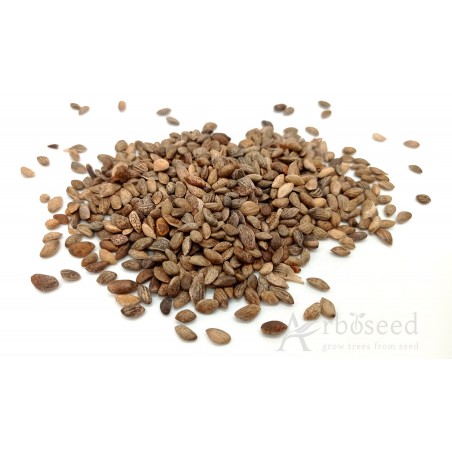
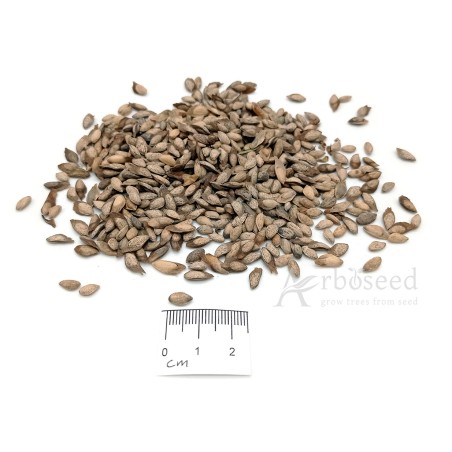 Black pine Pyramidalis